
Clinical study oversight
Keep an organised view of study-related quality activities, responsibilities, outstanding reviews and follow-up.
Explore platform architecture, governance, security and the flexible adoption model.
Explore the Product →Six complementary capability families, connected by shared governance.
Explore All Solutions →Learn about K2C and connect with our team to discuss your quality priorities.
Discover K2C →Bring clinical study oversight, GCP audits, trial documentation and follow-up into a more coherent quality governance environment.
K2C’s clinical capability family focuses on study quality, GCP audit activities and the management of regulated evidence.
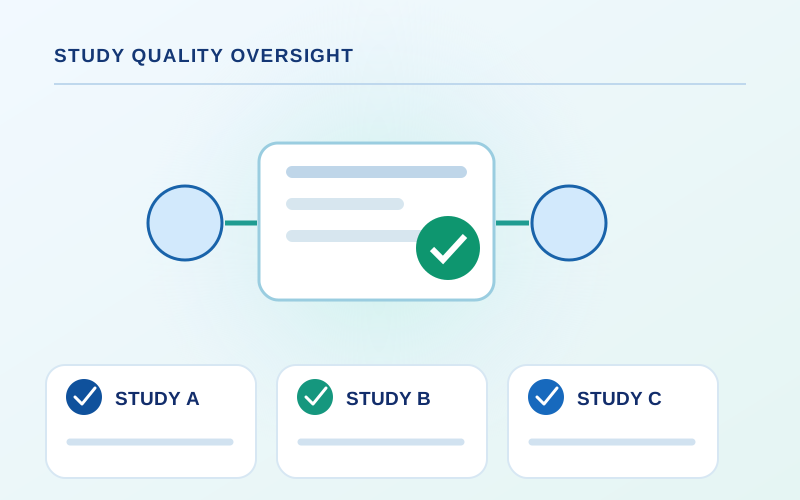
Keep an organised view of study-related quality activities, responsibilities, outstanding reviews and follow-up.
Plan and document audits, record observations and connect follow-up actions to the relevant study and owner.
Support reviews of trial documentation and record the evidence behind findings, decisions and corrective measures.
Organise controlled document reviews and quality oversight around essential clinical trial records.
Coordinate relevant study records, approvals and quality responsibilities within the agreed operating model.
Bring document control, training, issues and CAPA into context where these processes support clinical compliance.
Principles often associated with connected digital operations—consistency, visibility and traceability—also help organisations govern clinical quality records.
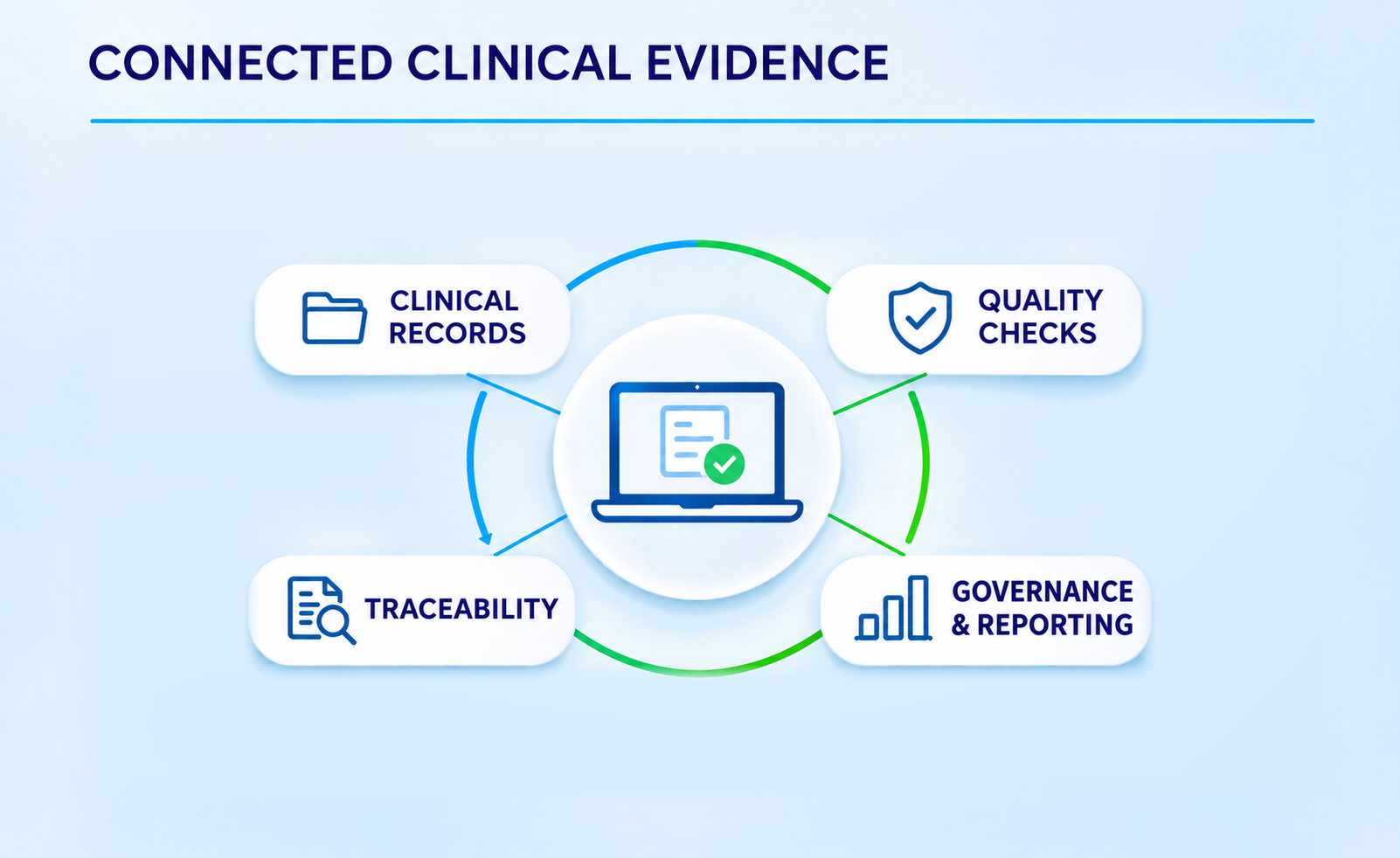
Make it easier to understand how study documents, assessments, audits and actions relate to one another.
Assign owners and reviewers so outstanding work and decision points remain visible.
Use controlled records and documented review paths to support reconstruction of quality decisions.
Connect clinical audit findings or quality events with investigation, action planning and closure evidence.
Use common governance principles while accommodating differences in study scope and organisation.
Maintain accessible, contextual evidence for internal assessments and GCP inspections.
A clear sequence helps study and quality teams manage evidence and accountability from initial scope to follow-up and retention.
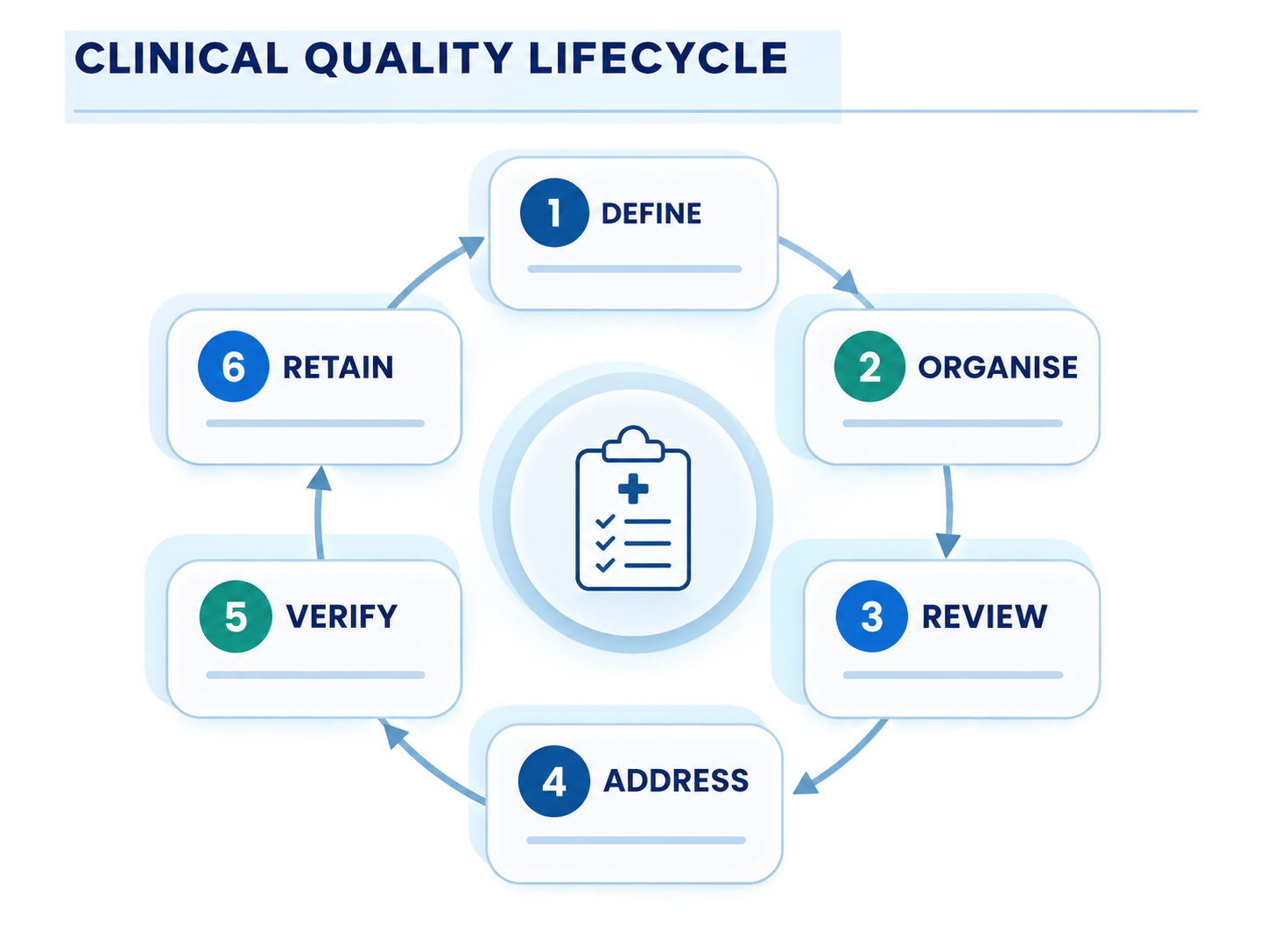
Identify the study activity, its quality requirements, accountable roles and documentation scope.
Associate the relevant study records, audit plans, review assignments and controlled documents.
Carry out planned checks, record observations and document decisions through agreed processes.
Assign follow-up for findings and quality issues, with corrective or preventive actions where appropriate.
Review completion evidence and confirm whether actions have met their agreed objectives.
Keep traceable records available for governance reviews, inspection preparation and lifecycle obligations.
Structured clinical quality oversight can strengthen review discipline and make important decisions easier to explain.
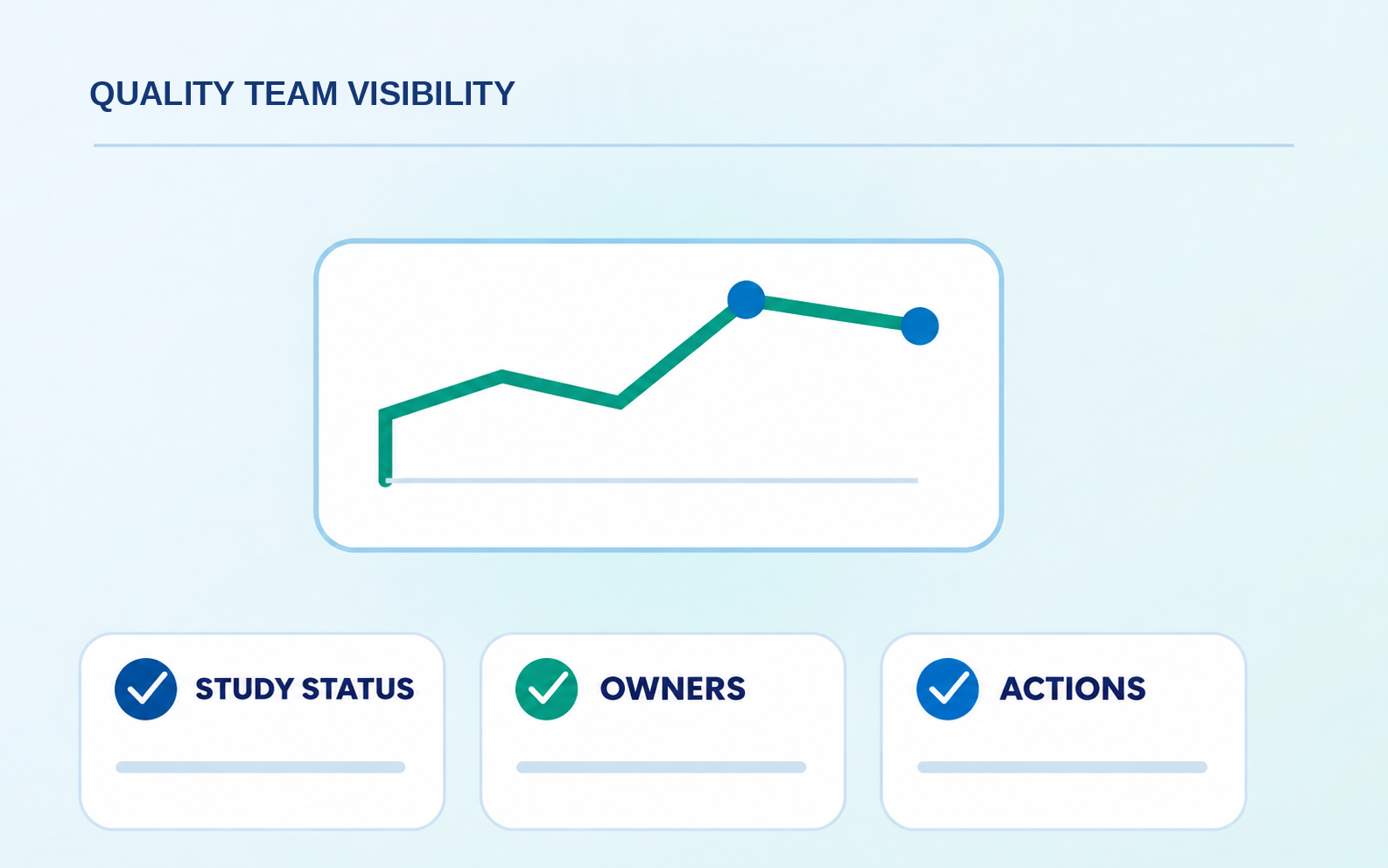
Understand the status of relevant clinical quality work and outstanding actions.
Reduce reliance on disconnected hand-offs when information belongs to the same quality process.
Help clinical and quality teams see who is responsible for reviews, findings and follow-up.
Preserve the relationship between an observation, its assessment, the actions taken and the records supporting closure.
Connect clinical quality with the wider quality management and implementation environment.
Link controlled documents, training, quality events and CAPA with clinical responsibilities.
Explore audit planning, findings, follow-up and supplier oversight.
Plan qualification of configured workflows around intended use and applicable risk.
Discuss your study quality priorities, documentation requirements and a practical first step towards connected governance.